
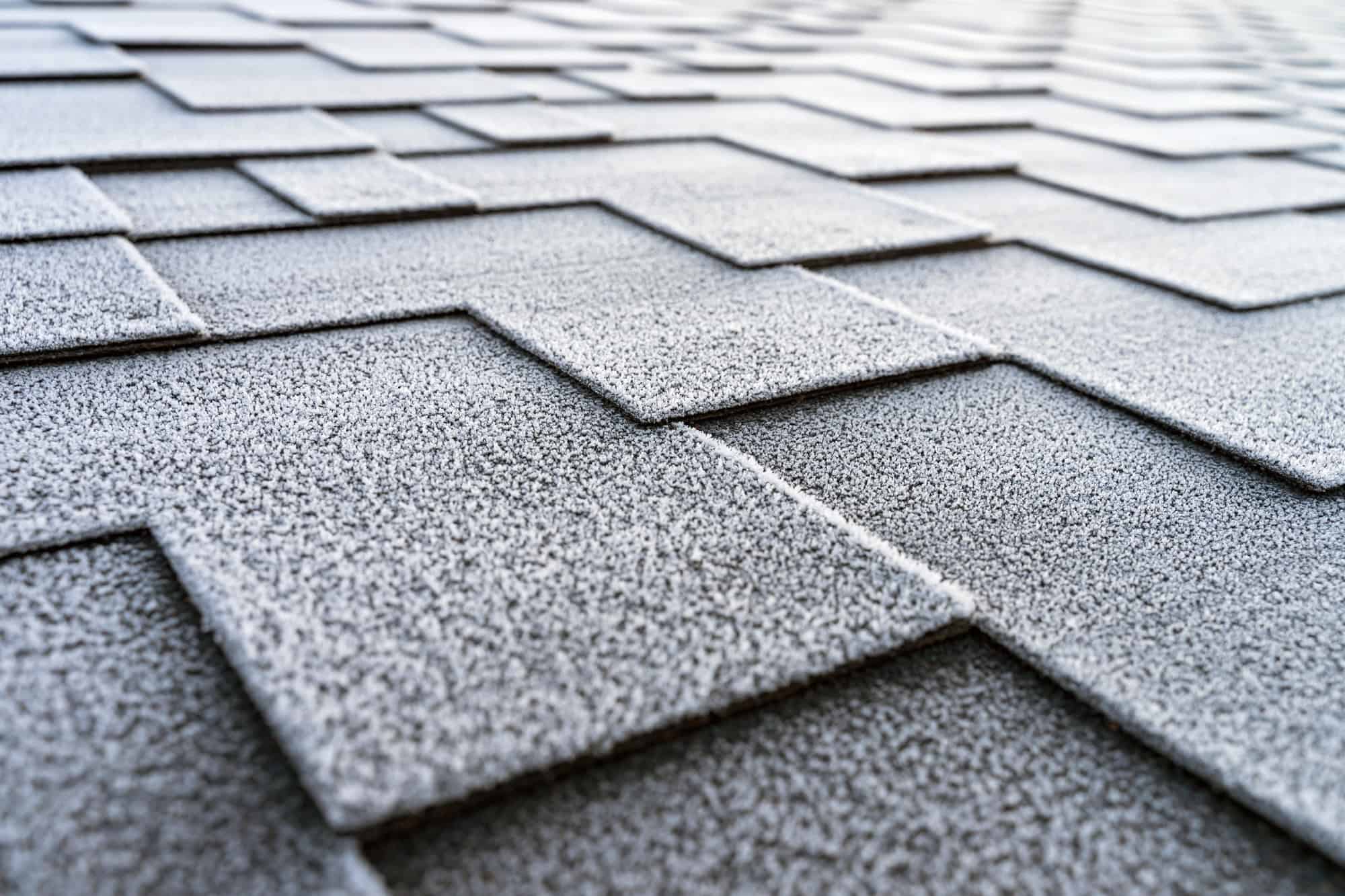
If your roof is showing its age heading into the rainy season, you’ve probably wondered whether replacement has to wait until spring. The short answer: no. Roofs are replaced throughout the winter in Western Washington, and in many cases there are real advantages to not waiting.
Here’s what winter roofing actually involves, when it makes sense, and when holding off is the smarter call.
Is It Safe to Replace a Roof in Winter?
Yes, with the right crew and the right planning. Our winters are wet more than they are cold. Homes in Shoreline and Lynnwood rarely see extended stretches below freezing, so temperature is less of a factor here than it is in colder parts of the country.
The real challenge is rain, and an experienced roofing contractor plans around it.
How Roofers Work Around the Rain
Watching for dry windows. Crews schedule tear-offs around the forecast. Western Washington winters usually offer stretches of dry days, even in December and January.
Tearing off only what can be covered the same day. A professional crew doesn’t strip an entire roof and leave it exposed. They remove a section, inspect the decking, and install waterproof underlayment before packing up. Your home is protected every night of the project.
Using the right materials. Modern synthetic underlayments perform well in damp conditions and keep the roof deck dry even if weather moves in unexpectedly.
Communicating when the weather changes. Even with careful planning, Western Washington weather doesn’t always cooperate. What matters is how your contractor handles it. One homeowner who replaced a very old roof with Blue and Blue Roofing described exactly that:
“Scheduling, invoicing, and communications around a brief weather delay, were timely, friendly, and professional.”
A short delay is normal. Being left in the dark about it isn’t.
Advantages of a Winter Roof Replacement
Easier scheduling. Spring and summer are the busiest seasons for roofers across the Seattle area. Winter often means shorter wait times and more flexibility on dates.
You stop gambling on an aging roof. If your roof is already leaking or near the end of its life, every storm between now and May is another chance for water damage to your decking, insulation, and ceilings. That secondary damage often costs more than the roof itself.
Problems get found sooner. Rot, soft decking, and ventilation issues only get worse over a wet winter. Catching them now limits how far they spread.
When Waiting Until Spring Makes Sense
Winter replacement isn’t the right call for everyone. Waiting is reasonable if:
- Your roof is aging but still watertight
- A recent roof consultation found no active leaks or decking damage
- You’re planning related work, like solar or an addition, that’s better coordinated in summer
In those cases, booking a fall roof consultation and scheduling replacement for spring gives you a plan without the urgency.
And if your roof is aging but holding up, getting ahead of the weather is ideal. One Seattle homeowner did exactly that:
“Blue & Blue came to the house and provided an estimate and then completed the work and stayed within the estimate in a few weeks – before rainy season started in Seattle! Great service.”
When You Shouldn’t Wait
If you’re seeing active leaks, water stains spreading on ceilings, sagging areas, or moisture in your attic, waiting until spring usually means more damage and a bigger bill. That’s especially true for homes in Edmonds, Lake Forest Park, Shoreline and North Seattle with heavy tree cover, where needles and moss hold moisture against the roof all winter long.
Frequently Asked Questions
Will rain damage my home during a winter roof replacement?
Not with a professional crew. Sections are torn off and covered with waterproof underlayment the same day, so your home is never left exposed overnight.
Does a winter roof replacement take longer?
It can take a day or two longer if crews need to wait out heavy rain. Most residential replacements still finish within a week.
Is winter roof replacement cheaper?
Pricing depends on the contractor and project, but winter typically offers more scheduling flexibility, which can mean getting your project done sooner.
Will cold weather affect my shingle warranty?
Not when shingles are installed according to manufacturer guidelines. Working with a certified installer helps ensure your warranty stays intact.
Don’t Let the Calendar Decide for You
The right time to replace your roof depends on its condition, not the season. If your roof is failing, a well-planned winter replacement protects your home now rather than leaving it vulnerable for months.
Contact Blue and Blue Roofing to schedule a roof consultation and find out whether your roof needs attention this winter or can wait until spring. You can also explore our roofing services for homeowners across Edmonds, Seattle, Shoreline, and Lynnwood.
